4 Free Calculator Tools
Everything you need to plan, budget, and optimize your backyard chicken operation.
How It Works
Three simple steps to plan your backyard flock.
Choose a Calculator
Pick from 4 specialized tools designed for chicken keepers.
Enter Your Details
Input your flock size, breed type, and preferences.
Get Instant Results
Receive precise calculations with actionable recommendations.
Chicken Keeping Guides
In-depth articles to help you make informed decisions about coops, equipment, and flock management.
Why Use a Chicken Coop Size Calculator?
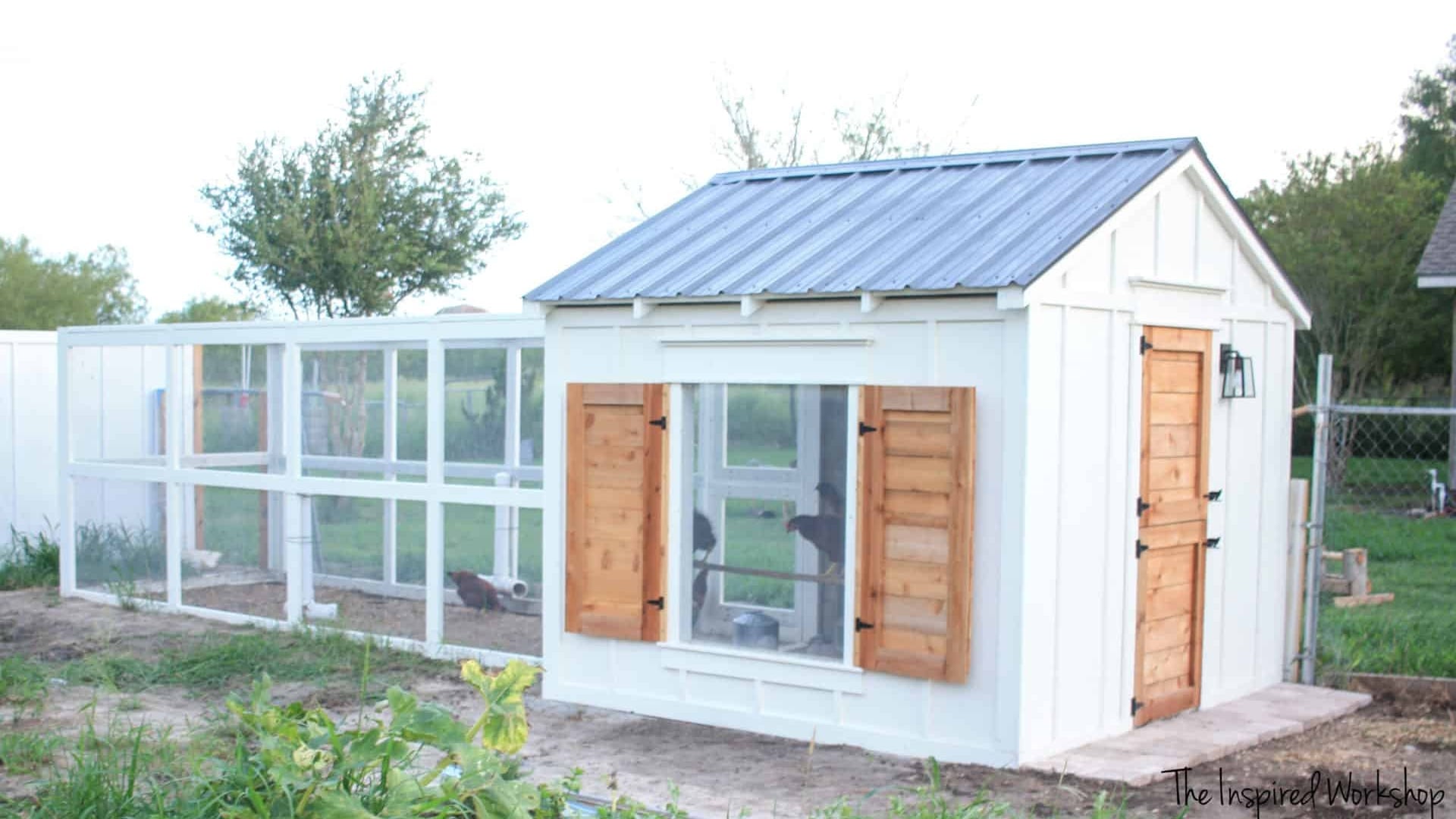
Raising backyard chickens starts with proper planning. A chicken coop size calculator helps you avoid the most common mistake new chicken keepers make: building a coop that is too small. Overcrowded chickens become stressed, produce fewer eggs, and are more prone to disease. Our free calculator uses breed-specific spacing guidelines from university poultry extension programs to recommend the right square footage for both your coop and outdoor run.
The standard recommendation is 4 square feet of indoor coop space per standard-sized hen and 10 square feet of run space per bird. However, these numbers change significantly based on your specific breed. Bantam chickens like Silkies need just 2 square feet indoors, while large breeds such as Jersey Giants or Brahmas require 5 to 6 square feet each. Climate matters too — in colder regions where chickens spend more time indoors during winter, additional space prevents behavioral problems like feather pecking.
Beyond coop dimensions, budgeting is essential. Our startup cost calculator breaks down the full investment — from the coop structure and fencing to feeders, waterers, bedding, and your first bag of feed. Most backyard setups cost between $500 and $2,000 depending on whether you build or buy prefabricated. Browse our guide to the best chicken coops for backyard flocks to compare top-rated options at every price point. The poultry feed calculator then estimates your ongoing monthly and annual feed expenses based on flock size, which typically runs $15 to $30 per bird per year for layer feed — and investing in waste-free chicken feeders can cut that cost by 15-30%.
Many people wonder if backyard chickens actually save money on eggs. Our egg ROI calculator answers that question with real numbers. A healthy laying hen produces roughly 250 to 300 eggs per year. At current 2026 grocery prices of $4 to $6 per dozen, a small flock of six hens can save you $500 or more annually on eggs alone. Most flocks break even on startup costs within 12 to 18 months and start generating real savings after that.
Whether you are a first-time chicken keeper planning a small backyard flock or an experienced homesteader expanding your operation, these calculators give you the data-driven foundation to make smart decisions. All tools are free, require no sign-up, and provide instant results based on current 2026 pricing data.
Common Questions About Raising Backyard Chickens
Getting Started: Your First Backyard Flock in 5 Steps
Step 1: Check local regulations. Before purchasing anything, verify your city or county ordinances regarding backyard poultry. Most suburban areas allow 4 to 6 hens but prohibit roosters. Some jurisdictions require permits or setback distances from property lines. Your county extension office is the best resource for local rules.
Step 2: Plan your coop and run. Use our chicken coop size calculator to determine the right dimensions for your planned flock. Consider future expansion — building 20 percent larger than your current needs prevents costly rebuilds when you inevitably want more chickens. Position the coop in a well-drained area with morning sun exposure and afternoon shade.
Step 3: Budget your startup costs. Run the numbers through our startup cost calculator to get an itemized budget. Decide between a DIY coop ($200 to $500 in materials), a prefab kit ($500 to $1,500), or a custom-built structure ($1,500 to $3,000 or more). Factor in fencing, predator-proofing hardware cloth, and initial supplies.
Step 4: Choose your breeds. Select breeds based on your primary goal. For maximum egg production, consider Rhode Island Reds, Leghorns, or Golden Comets, which lay 280 to 320 eggs annually. For cold hardiness, choose Wyandottes, Brahmas, or Ameraucanas. For a family-friendly flock, Buff Orpingtons, Sussex, and Plymouth Rocks are known for their gentle temperament.
Step 5: Estimate your ongoing costs. Use the poultry feed calculator and egg ROI calculator together to understand your monthly expenses versus egg savings. Most keepers find that their flock becomes a net financial positive within the first two years while providing fresh, high-quality eggs that are far superior to store-bought alternatives.